
What Makes a Sofa Non-Toxic? Safe Materials Guide
When shopping for a new sofa, most people focus on comfort, size, and design. But increasingly, American homeowners are asking a different question:
Is this sofa safe for my home?
As more families focus on healthier living spaces, the demand for a non toxic sofa has grown significantly. But what does “non-toxic” actually mean when it comes to furniture?
If you’ve ever searched for terms like PFAS free couch or safe furniture materials, you’ve likely discovered that not all sofas are created equal. Many conventional couches contain hidden chemicals that can affect indoor air quality and long-term health.
This guide explains what truly makes a sofa non-toxic — and what to look for when choosing safer furniture for your home.
Why Non-Toxic Furniture Matters
Most people spend hours every day sitting on their sofa. Unlike decorations, upholstery furniture has constant contact with your skin and continuously interacts with indoor air.
Certain conventional furniture materials may contain: PFAS (per- and polyfluoroalkyl substances), PFOA / PFOS, Toxic flame retardants, Formaldehyde-based adhesives, Microplastics, VOC-emitting foams. Over time, these substances can off-gas into your living space, potentially affecting indoor air quality.
Choosing a PFAS free couch and safer materials helps reduce chemical exposure, especially in homes with children or pets.
What Makes a Sofa Non-Toxic?
A truly non-toxic sofa focuses on three major areas:
- Upholstery fabric
- Cushion filling
- Structural materials
Let’s break them down.
1. OEKO-TEX® Certified Fabrics
One of the most reliable indicators of safer upholstery is certification by OEKO-TEX.
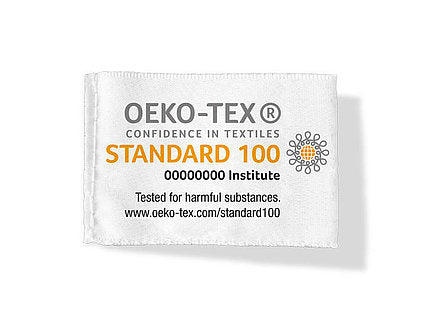
Specifically, OEKO-TEX® Standard 100 ensures that fabrics are tested for harmful substances. This means the material has been screened against hundreds of potentially toxic chemicals.
When evaluating a non toxic sofa, look for:
- OEKO-TEX® Standard 100 certification
- High-performance fabric without added chemical coatings
- Stain resistance achieved without PFAS
2. PFAS-Free Upholstery
PFAS chemicals are commonly used to make furniture water- and stain-resistant. However, these “forever chemicals” do not break down easily and have raised environmental and health concerns.
A PFAS free couch avoids:
- Fluorinated stain repellents
- Chemical waterproofing treatments
- Persistent synthetic coatings
Instead, safer sofas use tightly woven, durable textiles that provide natural resistance to spills without relying on harmful substances.
3. CertiPUR-US® Certified Foam
Foam certified by CertiPUR-US® is made without:
- Certain flame retardants
- Heavy metals
- Formaldehyde
- Phthalates
This certification is one of the clearest indicators of safer cushioning materials.
4. Low-VOC Construction
The cushions inside your sofa matter just as much as the fabric outside.
Many traditional foam cushions release volatile organic compounds (VOCs). Safer alternatives include:
- Memory foam blends with low-VOC standards
- Hypoallergenic down-alternative fills
- Certi-tested foam (when applicable)
A well-designed non toxic sofa balances comfort and safety by reducing chemical emissions while maintaining supportive cushioning.
5. Solid Wood Frames with Responsible Sourcing
The internal frame is often overlooked — but it’s critical.
Look for frames made from FSC-certified wood, verified by the Forest Stewardship Council.
FSC certification ensures that the wood is sourced responsibly and sustainably. It also reduces the risk of chemically treated composite materials that may emit formaldehyde.

Safer structural features include:
- FSC-certified solid wood
- Reinforced plywood with low-emission adhesives
- Steel support structures for durability
6. No Toxic Flame Retardants
For decades, flame retardant chemicals were commonly added to furniture foam. However, many of these substances have been linked to health concerns.
Modern non toxic sofa designs often meet flammability standards without: Brominated flame retardants, Chlorinated flame retardants, Added chemical fire barriers.
Instead, safer manufacturers rely on material engineering and compliance with updated safety regulations.
7. Washable, Removable Covers
This may seem unrelated to "toxicity," but it is crucial.
A sofa with removable, machine-washable covers reduces the need for:
- Chemical cleaners
- Harsh stain removers
- Synthetic spray treatments
Easy maintenance supports a healthier home environment over time.
Non Toxic Sofa vs Conventional Sofa: Key Differences
| Feature | Non Toxic Sofa | Conventional Sofa |
|---|---|---|
| Fabric Treatment | PFAS free | Chemical stain-resistant |
| Foam | Low VOC, certified | Chemical flame retardants |
| Frame | Solid wood / low-formaldehyde | Engineered board with adhesives |
| Indoor Air Quality | Minimal off-gassing | Potential chemical emissions |
| Transparency | Material disclosure | Limited information |
A non toxic sofa prioritizes material transparency and long-term safety over quick stain-proof marketing claims.
How to Tell If a Sofa Is Truly Non-Toxic
Marketing terms can be confusing. Here’s a simple checklist:
- ✔ OEKO-TEX® certified fabric
- ✔ PFAS-free upholstery
- ✔ No PFOA or PFOS
- ✔ No added toxic flame retardants
- ✔ FSC-certified wood frame
- ✔ CertiPUR-US® certified foam
- ✔ Low-VOC cushioning
- ✔ Transparent material disclosures
If a brand clearly states what it avoids — not just what it includes — that’s usually a good sign.
Are Non-Toxic Sofas More Expensive?
Not necessarily. While high-quality, safe furniture materials may increase manufacturing costs, modular construction and efficient design can help balance pricing.
More importantly, investing in a non toxic sofa supports:
- Better indoor air quality
- Long-term durability
- Environmental responsibility
It’s less about luxury — and more about informed living.
Conclusion
A non toxic sofa is defined not by a single label, but by the materials and transparency behind its construction.
From PFAS-free fabrics to FSC-certified wood and low-emission cushioning, safer furniture is about reducing unnecessary chemical exposure while maintaining comfort and durability.
When shopping for a new couch, ask questions about materials — because what’s inside your sofa matters just as much as how it looks in your living room.


